

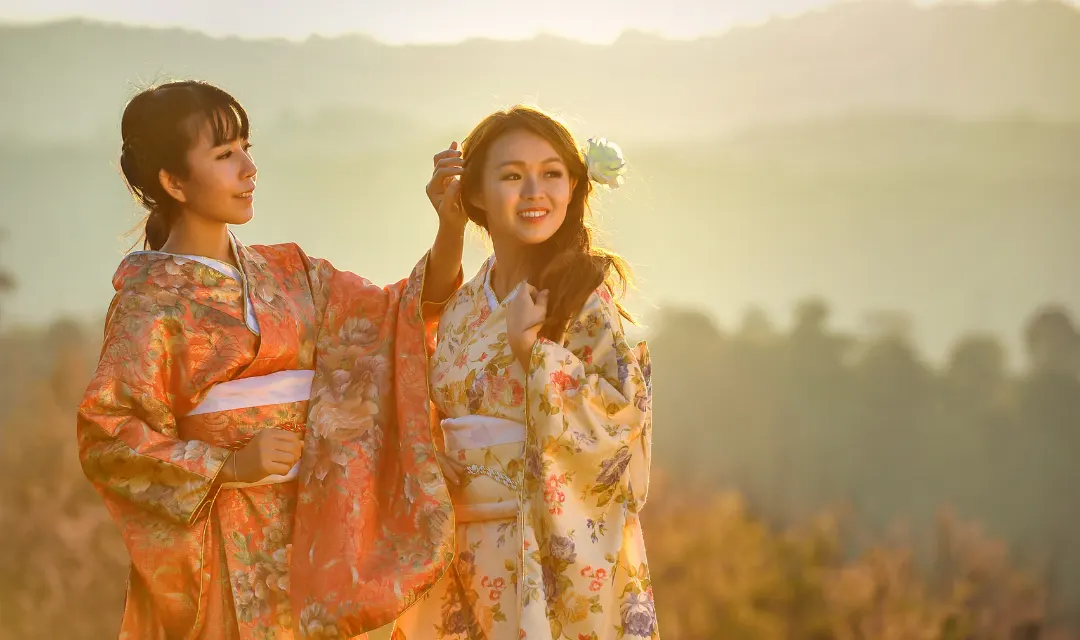
Clothing has always been more than a functional necessity. Across civilizations and communities, it communicates identity, history, values, climate adaptation, and social belonging. From traditional garments worn during ceremonies to everyday regional attire shaped by geography and livelihood, clothing serves as a visible expression of cultural heritage.
Understanding how clothing reflects cultural identity across regions helps explain how societies preserve traditions while adapting to modern influences.
The Role of Clothing in Expressing Cultural Identity
Clothing communicates meaning without words. It reflects how communities see themselves and how they present their identity to others.
Cultural clothing often represents:
- Historical continuity across generations
- Religious and ceremonial values
- Social roles and occupations
- Climate based adaptations
- Regional craftsmanship traditions
Through garments, communities maintain a connection with their ancestry while adapting to contemporary lifestyles.
Climate and Geography Shape Regional Clothing
Environmental conditions strongly influence the design, material, and structure of clothing across regions. People traditionally selected fabrics and styles suited to their surroundings.
Examples include:
- Loose cotton garments in hot regions for airflow
- Wool based clothing in colder climates for insulation
- Layered garments in mountainous environments
- Lightweight fabrics in tropical coastal areas
These adaptations demonstrate how clothing responds to survival needs while evolving into cultural markers.
Traditional Clothing Preserves Historical Narratives
Many traditional garments carry stories that reflect migration, trade routes, craftsmanship methods, and political changes. Textile patterns, embroidery techniques, and weaving styles often represent centuries of cultural exchange.
For example:
- Handwoven fabrics reflect regional artisan knowledge
- Symbolic embroidery communicates community identity
- Natural dye techniques represent ecological awareness
- Decorative motifs indicate historical influences
Such garments function as living records of cultural memory.
Religious and Ceremonial Influences on Clothing
Religious beliefs and ceremonial practices shape clothing styles across many societies. These garments often reflect values such as modesty, purity, celebration, or spiritual connection.
Cultural attire influenced by religious traditions may include:
- Head coverings symbolizing respect or devotion
- Special ceremonial robes worn during festivals
- Wedding garments representing prosperity or unity
- Ritual clothing reserved for sacred occasions
These garments help maintain continuity between tradition and belief systems.
Regional Textiles Reflect Local Craftsmanship
Textile production methods vary widely across regions and reveal deep connections between communities and their natural resources. Local fibers, dyes, and weaving tools contribute to distinct clothing traditions.
Examples of craftsmanship influence include:
- Cotton weaving in warm agricultural regions
- Wool production in pastoral societies
- Silk traditions linked to historic trade routes
- Plant based dyeing techniques unique to specific ecosystems
These practices preserve both environmental knowledge and artistic heritage.
Clothing as a Marker of Social Identity
Clothing often communicates social position, marital status, profession, and age group within traditional societies. Even today, many communities continue to use garments as indicators of identity and belonging.
Social identity markers may include:
- Distinctive wedding attire
- Occupational uniforms rooted in tradition
- Age related clothing variations
- Community specific decorative patterns
Such distinctions help maintain cultural structure within communities.
Cultural Exchange Influences Regional Dress Styles
Trade, migration, and interaction between societies have shaped clothing across regions for centuries. Cultural exchange introduces new materials, patterns, and techniques that gradually become integrated into local traditions.
This influence can be observed through:
- Adoption of imported fabrics into traditional garments
- Fusion of regional embroidery styles
- Shared weaving techniques across neighboring cultures
- Adaptation of foreign silhouettes into local dress
These changes demonstrate how cultural identity evolves without losing its foundation.
Modern Fashion and Cultural Continuity
Contemporary designers often draw inspiration from traditional clothing while adapting styles for modern use. This approach helps preserve heritage while keeping it relevant in current lifestyles.
Modern reinterpretations include:
- Revival of handloom textiles in everyday clothing
- Integration of traditional motifs into contemporary outfits
- Sustainable fashion inspired by regional techniques
- Cultural garments worn during festivals and public events
Such adaptations allow cultural identity to remain visible across generations.
The Role of Festivals in Preserving Traditional Clothing
Festivals provide important opportunities for communities to celebrate and showcase their cultural attire. During these occasions, garments are worn with pride and serve as symbols of unity and heritage.
Festival clothing often highlights:
- Community specific colors and patterns
- Traditional jewelry combinations
- Handcrafted accessories
- Ceremonial textiles preserved for generations
These celebrations reinforce cultural continuity and collective identity.
Frequently Asked Questions
Why does clothing differ between regions even within the same country
Regional climate conditions, historical influences, occupations, and available materials contribute to variations in clothing within the same country.
How do traditional textiles reflect environmental knowledge
Traditional textiles often use locally available fibers and natural dyes that reflect an understanding of regional ecosystems.
Can clothing indicate community belonging
Yes. Many traditional garments include patterns, colors, or styles that identify membership within a specific community.
Why are handcrafted garments important in cultural traditions
Handcrafted garments preserve artisan techniques that represent generations of knowledge and cultural expression.
How does migration influence traditional clothing styles
Migration introduces new materials and design techniques that gradually blend with existing clothing traditions.
Are traditional garments still relevant in modern society
Yes. Many communities continue to wear traditional clothing during festivals, ceremonies, and cultural events to maintain identity.
How do younger generations contribute to preserving cultural clothing
Younger generations support preservation by wearing traditional garments, promoting local textiles, and adapting heritage designs into modern fashion.
