

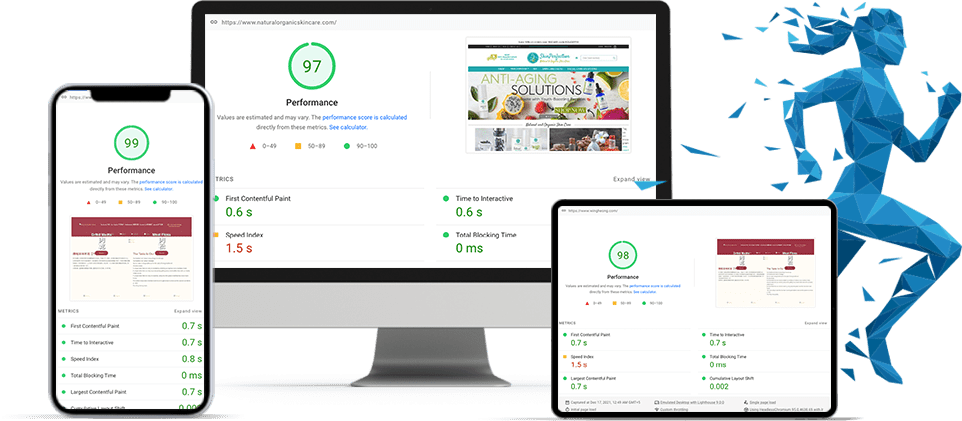
Website speed directly affects how customers interact with an online shop. A slow loading store increases bounce rates, lowers search visibility, and reduces conversions. Faster websites create smoother browsing experiences that encourage visitors to stay longer and complete purchases.
Speed optimization is not only a technical upgrade. It is a business strategy that improves customer satisfaction and strengthens revenue performance over time.
Why Website Speed Matters for Online Shops
Customers expect websites to load quickly across all devices. Even small delays can reduce engagement and trust.
Key advantages of faster websites include:
- Higher conversion rates
- Improved customer retention
- Better search engine rankings
- Reduced cart abandonment
- Stronger mobile performance
Speed improvements often produce measurable increases in sales without increasing marketing costs.
Optimize Images Without Reducing Quality
Images are one of the main reasons online shops load slowly. Product pages usually contain multiple high resolution visuals that require optimization.
Effective image optimization techniques include:
Compress large image files
Use compression tools to reduce file sizes while preserving visual clarity.
Use modern image formats
Formats like WebP provide smaller file sizes compared to traditional formats.
Enable lazy loading
Images load only when users scroll to them instead of loading all at once.
Resize images properly
Avoid uploading oversized images that exceed display requirements.
These steps significantly reduce page load time.
Choose a Reliable Hosting Provider
Hosting quality directly influences website performance. Slow servers lead to slow websites even if optimization is applied elsewhere.
A strong hosting provider offers:
- Fast response times
- High uptime reliability
- Scalable resources
- Security protection
- Content delivery support
Investing in better hosting often produces immediate speed improvements.
Use Content Delivery Networks to Improve Global Speed
A content delivery network stores copies of your website on multiple servers across different regions. Visitors receive content from the nearest server location.
Benefits include:
- Faster loading for international customers
- Reduced server workload
- Improved reliability during traffic spikes
- Better user experience worldwide
Online shops targeting broader audiences benefit greatly from this approach.
Reduce Unnecessary Plugins and Scripts
Many ecommerce stores rely on plugins to extend functionality. However excessive plugins slow down performance.
To improve speed:
- Remove unused plugins
- Replace heavy plugins with lightweight alternatives
- Avoid duplicate functionality
- Update plugins regularly
Fewer scripts lead to faster page rendering.
Enable Browser Caching for Faster Repeat Visits
Browser caching allows returning visitors to load your store faster because previously accessed elements are stored locally on their devices.
Caching improves:
- Page loading speed
- User experience
- Server efficiency
- Repeat visit performance
Returning customers benefit the most from this optimization method.
Minimize CSS and JavaScript Files
Large style sheets and scripts increase loading time if not optimized properly.
Speed improvement methods include:
- Removing unused code
- Combining multiple files
- Compressing script files
- Loading scripts only when necessary
Efficient code management ensures smoother performance across devices.
Optimize Mobile Performance for Better Engagement
A large share of ecommerce traffic comes from mobile users. Mobile speed optimization directly impacts sales performance.
Best practices include:
- Using responsive design layouts
- Reducing heavy animations
- Optimizing mobile images
- Simplifying navigation menus
- Limiting background scripts
Mobile friendly stores retain more visitors and increase checkout completion rates.
Improve Server Response Time
Server response time determines how quickly a page begins loading after a request is made.
Ways to improve response time include:
- Upgrading hosting plans
- Reducing database queries
- Using caching systems
- Optimizing backend processes
Faster response times create smoother browsing experiences.
Monitor Speed Performance Regularly
Speed optimization is not a one time task. Regular monitoring ensures your store maintains strong performance.
Track metrics such as:
- Page load time
- First content display timing
- Server response duration
- Mobile performance scores
Continuous monitoring helps identify issues early before they affect customers.
Simplify Checkout Pages to Increase Conversions
Checkout pages should load quickly and function smoothly. Delays during checkout often lead to abandoned purchases.
Improve checkout speed by:
- Reducing unnecessary fields
- Limiting third party scripts
- Optimizing payment gateway loading
- Using lightweight design layouts
A faster checkout experience encourages customers to complete transactions confidently.
Use Lightweight Themes Designed for Ecommerce
Website themes influence performance significantly. Heavy themes often include unnecessary features that slow down loading time.
Choose themes that offer:
- Clean coding structure
- Responsive design
- Minimal external dependencies
- Fast rendering performance
Lightweight themes improve both speed and usability.
Conclusion
Website speed optimization plays a critical role in building successful online shops. Faster loading pages improve customer satisfaction, increase conversions, and strengthen search visibility. By optimizing images, improving hosting performance, simplifying scripts, and monitoring speed regularly, store owners can create efficient shopping experiences that support long term growth.
Frequently Asked Questions
1. What is considered a good loading speed for an ecommerce website
Most online shops should aim for a page load time under three seconds to maintain strong engagement and conversion performance.
2. Does website speed affect product search visibility
Yes. Faster websites are more likely to rank higher in search results because search engines consider speed an important ranking factor.
3. Can website speed impact customer trust
Yes. Visitors often associate fast websites with professionalism and reliability, which increases confidence during purchases.
4. Should online shops optimize homepage speed differently from product pages
Yes. Product pages require additional optimization because they contain more images and dynamic content compared to homepages.
5. How often should website speed tests be performed
Monthly testing is recommended, along with additional checks after major updates or design changes.
6. Does website speed affect advertising performance
Yes. Faster landing pages improve ad quality scores and increase conversion rates from paid campaigns.
7. Can database optimization improve ecommerce website speed
Yes. Cleaning unused data and optimizing database queries helps reduce server load and improves response times significantly.
