

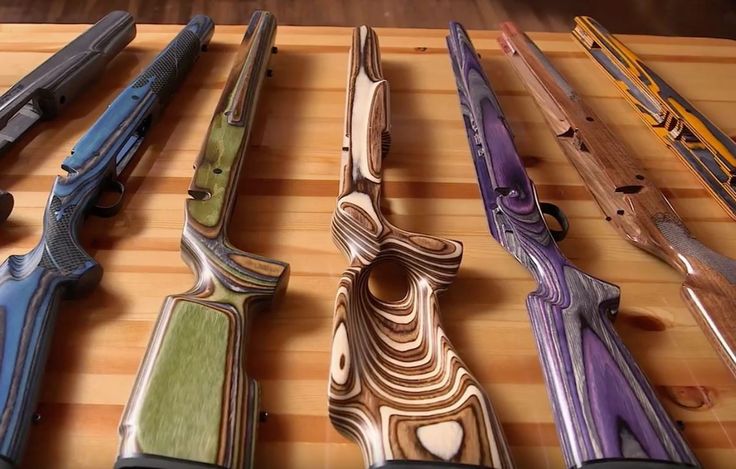
For centuries, gun stocks have been crafted from wood, then later from various polymers and composites. While traditional methods have yielded stunning and functional results, the advent of 3D printing is ushering in a new era of customization, precision, and innovation in firearm accessories. This revolutionary technology is not just a passing trend; it’s fundamentally reshaping how gun stocks are designed, prototyped, and even manufactured, offering unprecedented flexibility for shooters and manufacturers alike.
The Traditional Landscape: Craftsmanship vs. Mass Production
Historically, gun stock manufacturing involved either painstaking handcraftsmanship or large-scale injection molding. Hand-carved stocks, often from premium hardwoods, offered bespoke fit and aesthetic appeal but came with a hefty price tag and long lead times. Mass-produced polymer stocks, while affordable and durable, often sacrificed individual fit and aesthetic customization for efficiency. This dichotomy left a gap for shooters seeking a balance of personalized performance and reasonable cost – a gap that 3D printing is now expertly filling.
The limitations of traditional methods become particularly apparent when dealing with niche firearms or specific shooter requirements. Imagine a competitive shooter needing a highly specialized grip angle or an individual with unique ergonomic needs. Conventional manufacturing struggles to address these micro-customizations efficiently.
The Dawn of Digital Design: Precision and Prototyping
At its core, 3D printing excels at transforming digital designs into physical objects with remarkable accuracy. This capability is a game-changer for gun stock development. Designers can now rapidly iterate on new stock geometries, grip textures, and ergonomic features in a way that was previously unimaginable.
Rapid Prototyping: From Concept to Reality in Hours
One of the most significant impacts of 3D printing is in rapid prototyping. Instead of investing in expensive molds or machining custom parts, manufacturers can print multiple design variations of a stock, test them, and refine them based on real-world feedback. This drastically slashes development cycles and costs. For instance, a designer working on a new stock for a popular platform like the ruger american ranch 300 blackout can create several grip profiles, cheek rest heights, or buttstock angles in a single day, allowing for immediate evaluation and optimization. This iterative process leads to superior final products that are truly optimized for performance and user comfort.
Unlocking Complex Geometries
Traditional manufacturing often struggles with intricate internal structures or highly complex external shapes. 3D printing, however, thrives on complexity. This allows for the creation of lightweight stocks with internal lattice structures for strength, or ergonomic designs that perfectly conform to a shooter’s hand. Imagine a stock with an integrated, custom-fit storage compartment, or a chassis designed to dissipate recoil more effectively through internal geometry – possibilities that were once either impossible or prohibitively expensive are now within reach.
Customization at Your Fingertips: Tailored to Every Shooter
The promise of personalized fit is where 3D printing truly shines for the end-user. No two shooters are exactly alike, and a “one-size-fits-all” approach often compromises performance and comfort.
Ergonomic Perfection
3D scanning technology allows for the precise measurement of a shooter’s hand and body dimensions. This data can then be used to generate a 3D model of a gun stock that perfectly matches their unique anthropometry. This level of ergonomic customization can significantly enhance shooting comfort, reduce fatigue, and improve accuracy, especially during extended shooting sessions. Whether it’s a specialized grip for a disabled veteran or a perfectly contoured stock for a competitive marksman, 3D printing makes bespoke solutions accessible.
Material Innovation and Performance
While early 3D printed parts were often limited to basic plastics, advancements in materials science have introduced robust polymers, carbon fiber composites, and even metal printing capabilities. This means 3D printed gun stocks are no longer just prototypes; they can be fully functional, durable components. Manufacturers can experiment with different material combinations to achieve specific properties like weight reduction, increased rigidity, or improved vibration dampening. This material flexibility is crucial for demanding applications, such as a lightweight, yet durable, chassis for a ruger american ranch 300 blackout used in hunting scenarios.
The Future is Now: What to Expect
The influence of 3D printing on custom gun stock manufacturing is only set to grow. We can anticipate:
- Increased Accessibility: As 3D printing technology becomes more affordable and user-friendly, more independent gunsmiths and even hobbyists will be able to design and produce custom stocks.
- Mass Customization: Large manufacturers may integrate 3D printing into their production lines to offer a wider range of customizable options, moving beyond standard configurations.
- Integration with Smart Technologies: Imagine stocks with embedded sensors for recoil analysis, shot tracking, or even environmental monitoring, all made possible by the design freedom of 3D printing.
- Specialized Platforms: Expect to see highly specialized 3D printed stocks designed for specific cartridges or firearm models, providing optimal performance for platforms like the ruger american ranch 300 blackout.
Conclusion: A New Horizon for Firearm Customization
3D printing is not just an incremental improvement; it’s a paradigm shift in custom gun stock manufacturing. It empowers designers with unparalleled creative freedom, accelerates development cycles, and, most importantly, offers shooters a path to truly personalized firearms. From rapid prototyping to bespoke ergonomic solutions and advanced material integration, this technology is redefining what’s possible, ensuring that the next generation of gun stocks will be more precise, more customized, and more performance-driven than ever before. The future of firearm customization is being printed, one layer at a time.
About the Author:- The author is a seasoned writer and outdoor enthusiast with a deep passion for precision engineering and technological innovation in the shooting sports world. With years of experience researching and analyzing advancements in manufacturing and materials science, they aim to share valuable insights with fellow enthusiasts and industry professionals. Their work focuses on exploring how cutting-edge technologies are shaping the future of firearms and outdoor gear, always emphasizing practical applications and performance benefits.
