

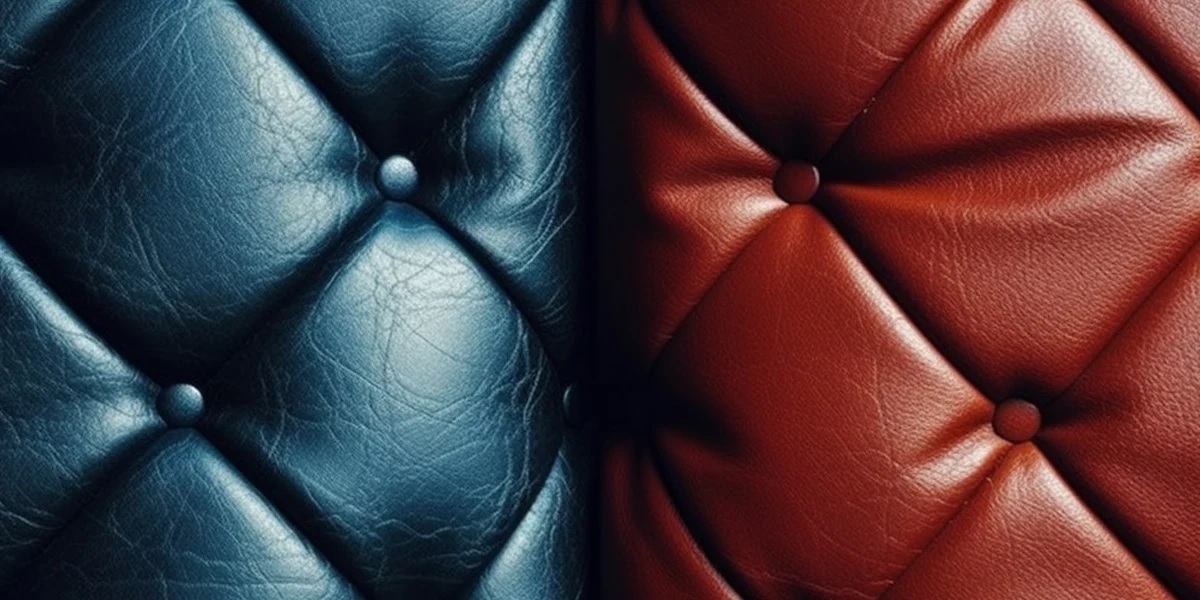
In the realm of upholstery and fashion, leather has long been revered for its luxurious feel, durability, and timeless appeal. Yet, in recent years, a new contender has emerged, challenging the traditional dominance of genuine leather: bonded leather. While purists may scoff at the idea of anything other than genuine leather, the rise in popularity of bonded leather among consumers cannot be ignored. So, what exactly is bonded leather, and why are consumers increasingly choosing it over other materials?
Firstly, let’s break down what bonded leather is. Unlike genuine leather, which is made from animal hide, bonded leather is composed of shredded leather fibers that are bonded together with adhesive and then coated with a layer of polyurethane. This manufacturing process not only allows for a more affordable price point but also provides several distinct advantages that resonate with modern consumers.
One of the primary reasons consumers are drawn to bonded leather is its affordability. Genuine leather can come with a hefty price tag, often making it inaccessible to budget-conscious consumers. In contrast, bonded leather offers a comparable aesthetic and texture at a fraction of the cost, allowing individuals to achieve the look and feel of leather without breaking the bank. This affordability factor opens up a world of possibilities for consumers who desire the elegance of leather in their homes or wardrobes without compromising their budget.
Furthermore, bonded leather is celebrated for its versatility. Unlike genuine leather, which can be prone to scratching and fading over time, bonded leather is more resistant to wear and tear. The polyurethane coating acts as a protective barrier, making bonded leather furniture and accessories more durable and easier to maintain. This durability is particularly appealing to families with children or pets, as bonded leather can withstand daily use without sacrificing its aesthetic appeal.
Another key advantage of bonded leather is its eco-friendliness. By utilizing shredded leather scraps that would otherwise go to waste, bonded leather reduces the environmental impact associated with leather production. Additionally, the manufacturing process for bonded leather consumes fewer resources compared to genuine leather, making it a more sustainable choice for environmentally-conscious consumers. As sustainability continues to be a driving force in consumer decision-making, the eco-friendly properties of bonded leather are a significant selling point for many individuals.
Moreover, bonded leather offers a wider range of design possibilities than genuine leather. Since it is created from leather fibers that are bonded together, bonded leather can be embossed, dyed, and textured to mimic various types of genuine leather, such as full-grain or top-grain leather. This flexibility allows designers to experiment with different finishes and styles, giving consumers a diverse selection of bonded leather products to choose from. Whether it’s a sleek modern sofa or a classic leather jacket, bonded leather offers endless design options to suit any taste or aesthetic preference.
In conclusion, the growing popularity of bonded leather among consumers is no accident. With its affordability, durability, eco-friendliness, and versatility, bonded leather has emerged as a compelling alternative to genuine leather for discerning shoppers. Whether it’s furnishing a home or updating a wardrobe, bonded leather offers the perfect balance of luxury and practicality, making it a top choice for consumers worldwide. As we continue to prioritize sustainability and value-driven purchases, bonded leather is poised to remain a staple in the world of upholstery and fashion for years to come.
